
Insight: “Signing an EPA was not urgent for CEMAC’s least developed countries”
For Achille Bassilekin, Assistant Secretary-General of the ACP Group, the region’s LDCs already enjoyed preferential access — unlike Cameroon, Gabon and Congo.
Translated from French. Lire en français
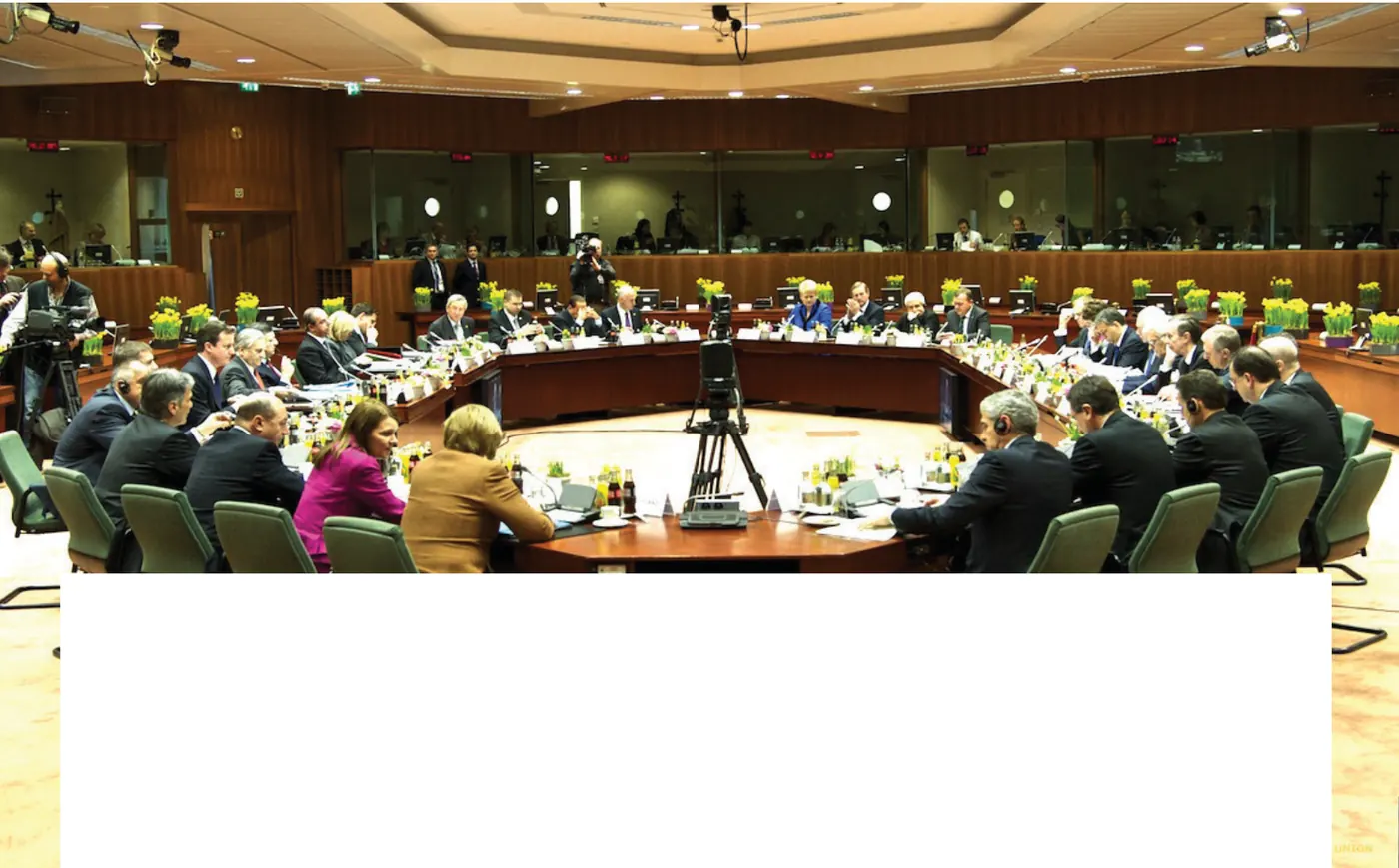
In line with the concerns voiced by the regional negotiating “Task Force”, the CEMAC Commission, which coordinated the Economic Partnership Agreement (EPA; in French, APE) process, had set a precondition for the talks: the European side had to meet CEMAC member states’ needs for capacity building and technical assistance. That concept, however, came to mean different things depending on how national authorities interpreted it.
For some, it was an opportunity to request large-scale development infrastructure (airports, ports, hospitals, universities, roads and so on) that fell more within national or regional indicative programmes funded by the European Development Fund (EDF) than within EPA negotiations. For others, it simply meant acquiring various kinds of equipment, whereas for the European side it essentially meant building negotiators’ capacity so that they could take a meaningful part in the talks and move the roadmap forward together, on the basis of the impact studies carried out.
It became very clear during the negotiations that the proliferation of requests made to the European side, in areas far removed from trade negotiations, amounted to a strategy of inertia that often proved unproductive. However legitimate CEMAC negotiators’ claims may have been, it gradually became obvious that the region’s least developed countries (Central African Republic, Chad, Equatorial Guinea, São Tomé and Príncipe) already enjoyed a preferential trade regime equivalent to Lomé/Cotonou: the “Everything But Arms” initiative. Under it, they could export all their goods except arms to the EU market duty-free and quota-free from 1 January 2008. Signing an EPA was not urgent for these countries.
Cameroon, Gabon and Congo, however, as non-LDCs, could not benefit from a similar advantageous regime. They risked losing the benefits of the Lomé/Cotonou tariff regime, with their exports falling under the more costly Generalised System of Preferences. Unlike Gabon and Congo — whose trade relies largely on oil revenue and whose agricultural and industrial bases are limited, so that their losses would be small — Cameroonian exporters faced additional customs duties and taxes amounting to 600 million dollars, according to the European Commission’s internal statistics.
By Achille Bassilekin, Assistant Secretary-General of the ACP Group in Brussels
- Author:
- Achille Bassilekin
- Published on:
- Wednesday, 1 October 2014
Related articles

Chad's 2027 budget: a 7.3% growth target, a realistic bet?
President Mahamat Idriss Déby Itno wants to make the 2027 budget a tool for economic transformation. The growth target is ambitious, well above the forecasts of international institutions.

2027 budgets: a two-speed CEMAC
As the 2027 finance bills reach parliaments, the budget choices of CEMAC countries are diverging sharply. Some are tightening their belts, others are betting on spending.
Fuel subsidies: the bill threatening budgets
To hold down pump prices, the six CEMAC countries will spend considerable sums in 2026. The central bank is sounding the alarm over an item that weighs heavily on public finances.

Eurobonds, Nasdaq Dubai, JPMorgan: CEMAC takes on international markets
Governments and institutions in the sub-region are borrowing more and more on international financial markets. These issues bring in welcome foreign currency, but at a high cost and with a refinancing risk to watch.