

Fuel subsidies: the bill threatening budgets
To hold down pump prices, the six CEMAC countries will spend considerable sums in 2026. The central bank is sounding the alarm over an item that weighs heavily on public finances.
Translated from French. Lire en français
More than 3,300 billion FCFA
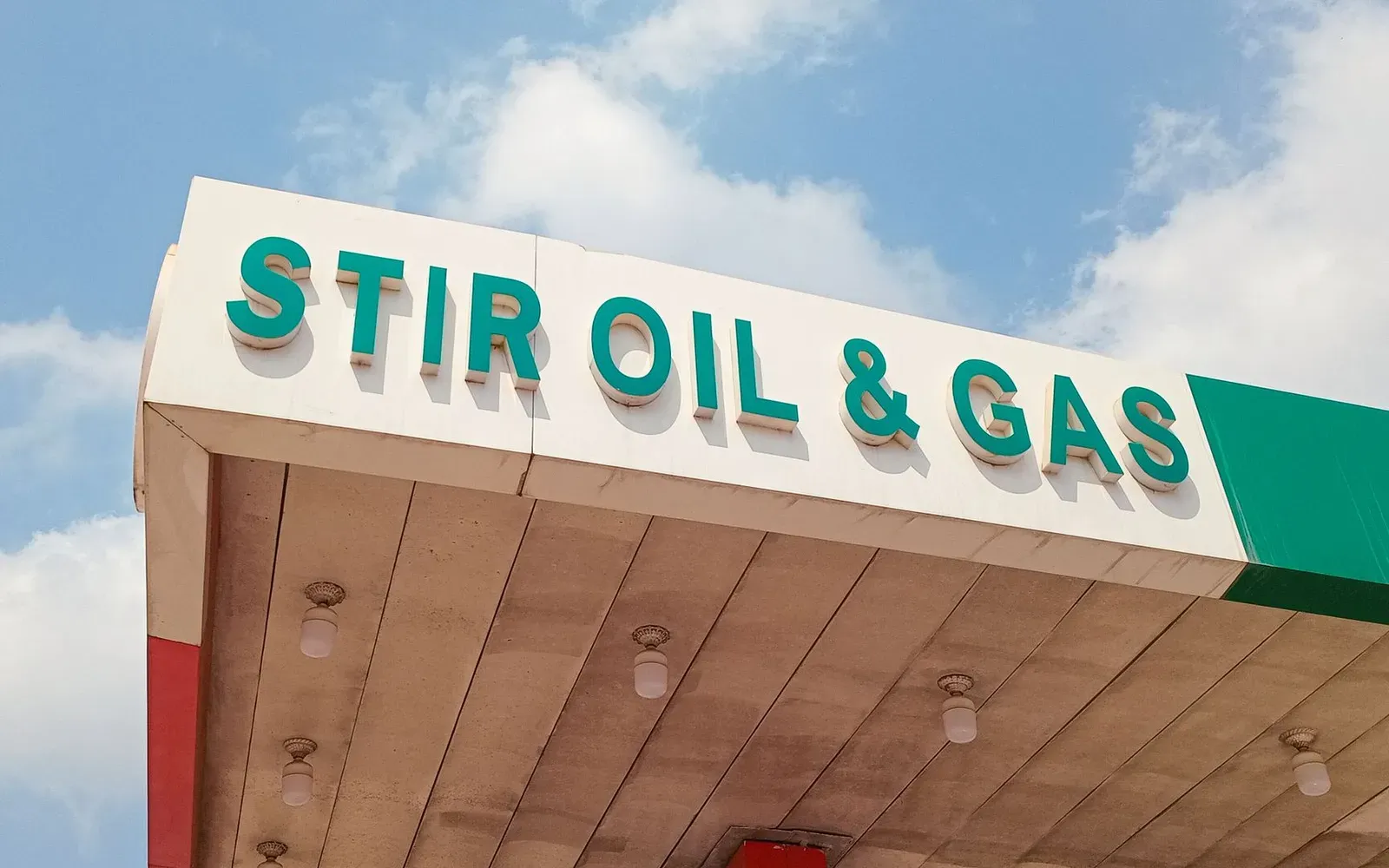
According to a BEAC report on inflation trends, CEMAC countries will spend 3,388.3 billion FCFA, nearly 5.8 billion dollars, on stabilising fuel prices in 2026. That is equivalent to several dozen times the annual budget of the CEMAC Commission.
Why governments subsidise
The price of fuel affects everything: transport, food prices and companies' production costs. A sudden rise at the pump can fuel inflation and spark social unrest. Governments therefore prefer to absorb part of the rise in world prices.
A striking example: between February and September 2026, the rise in benchmark prices was not passed on in Cameroon, which accounts for more than half of the regional basket, at the cost of subsidies considered hard to sustain in the short term.
A hidden cost
Every franc spent on subsidies is a franc that does not go to roads, schools or hospitals. Subsidies also benefit those who consume the most fuel, often the better-off households and large companies. Finally, they encourage smuggling to neighbouring countries where petrol is more expensive.
Towards gradual reform?
Some countries are already adjusting their prices: the Central African Republic has just raised pump prices. Most experts recommend gradual reform, combined with targeted measures to protect the poorest households, such as cash transfers or support for public transport. For Chad, as a producing country, the challenge is also to ensure a steady supply to the domestic market.
Key figures
- Planned fuel subsidies in CEMAC in 2026: 3,388.3 billion FCFA
- Equivalent: nearly 5.8 billion USD
- Cameroon: 52% of the regional basket
- Published on:
- Wednesday, 28 October 2026
Related articles

Chad's 2027 budget: a 7.3% growth target, a realistic bet?
President Mahamat Idriss Déby Itno wants to make the 2027 budget a tool for economic transformation. The growth target is ambitious, well above the forecasts of international institutions.

2027 budgets: a two-speed CEMAC
As the 2027 finance bills reach parliaments, the budget choices of CEMAC countries are diverging sharply. Some are tightening their belts, others are betting on spending.
Eurobonds, Nasdaq Dubai, JPMorgan: CEMAC takes on international markets
Governments and institutions in the sub-region are borrowing more and more on international financial markets. These issues bring in welcome foreign currency, but at a high cost and with a refinancing risk to watch.
Foreign currency repatriation: the BEAC–oil companies showdown gets serious
For years, the central bank has tried to make oil and mining companies bring a larger share of their earnings back into the zone. The tightening is now confirmed, with effects expected from 2027.