

Paris fundraising conference: a success after a scare
To finance its National Development Plan and the second phase of its National Food Security Programme, Chad was seeking 959 billion CFA francs. It secured 1,044 billion.
Translated from French. Lire en français
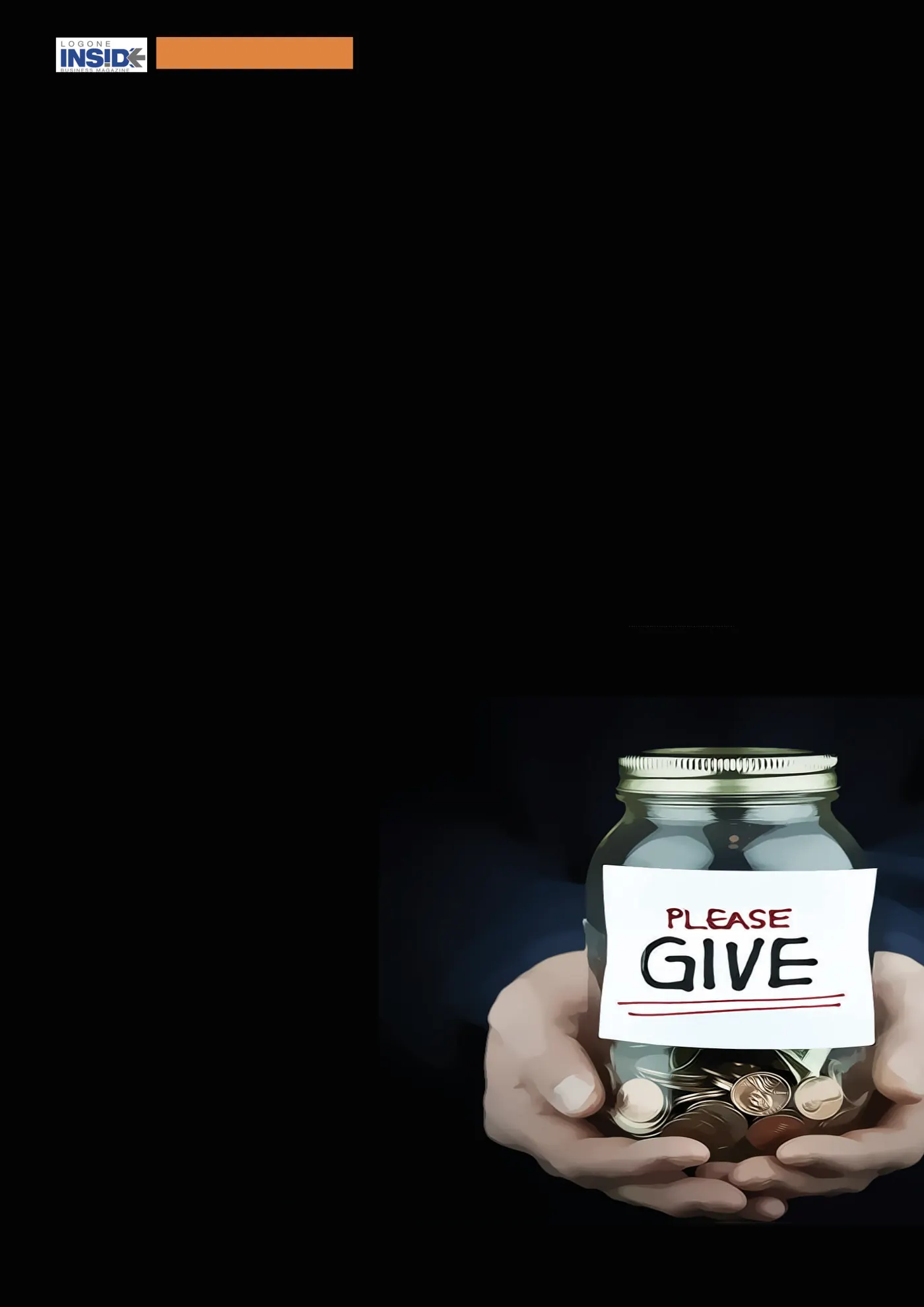
Chad needed 959 billion CFA francs to close the funding gap of its National Development Plan (PND) and of the second phase of its National Food Security Programme (PNSA2). The Chadian delegation led to Paris by Prime Minister Kalzeubé Payimi Deubet on 21-22 June succeeded in raising that sum — and more: the results exceeded expectations. Yet many had seen the shadow of failure looming.
Late payment of civil servants’ salaries, the creation of a commission to recover debts owed to the state (chaired by the Prime Minister), rumours of a loan taken out by Chad to deal with cash-flow problems: the mood in economic circles boded ill as a large Chadian delegation prepared to travel to Paris to raise funds for the PND and PNSA2.
In Paris, the Chadian delegation comprised one member of parliament, two private-sector representatives, eleven members of the government and advisers from the Presidency and the Prime Minister’s office. According to a well-informed source, some members feared the disastrous consequences that failure could bring — prospects not to be dismissed lightly. They reportedly suggested that the head of government keep a low profile to avoid bearing the full brunt of a mixed result, or worse, a failure. But he chose to stick to his original plan, confident and reassured by the groundwork done by the multidisciplinary team in charge of raising the funds. Chad’s embassy in France played a considerable role in this effort.
Economists, the head of government is said to have remarked, work on facts, not on assumptions or rumours. There was therefore no reason for donors not to back Chad in implementing the National Food Security Programme and the National Development Plan. That initial logic prevailed until the close of the Paris conference, which yielded 1,044 billion CFA francs — a success for Chad, and a victory for Kalzeubé Payimi Deubet.
The keys to success
Economic indicators are green: double-digit GDP growth forecast for 2014, restored ties with the World Bank with the Heavily Indebted Poor Countries completion point reached, public finance reform, an improved business climate, and the Chadian private sector contributing 6 billion CFA francs to the financing of both development frameworks. All of this tipped the balance in Chad’s favour.
Security also played in its favour. With the Sahel-Saharan strip prey to instability, Chad has preserved stability on its own territory and has not hesitated to act beyond its borders in peacekeeping, conflict prevention and conflict resolution. The objectives the funds are meant to serve also partly explain the 1,044 billion pledged to Chad by donors.
The next step
Although the Paris success is taking shape, it is not yet complete. After the pledging phase, these good intentions must be turned into actual financing. That requires follow-up by the ministries concerned. It is a decisive exercise: a mixed result at this stage would bring down everything built so far. The hardest part may be over, but the last hurdle is by no means the smallest.
- Author:
- Elvis Tabo
- Published on:
- Tuesday, 1 July 2014
Related articles

One QR code to pay in six countries: GIMAC's quiet revolution
Paying a merchant with your phone, whatever your operator or bank, in any CEMAC country: that is the goal of the reforms led by the BEAC and GIMAC. Where do things stand, and where does Chad fit in?
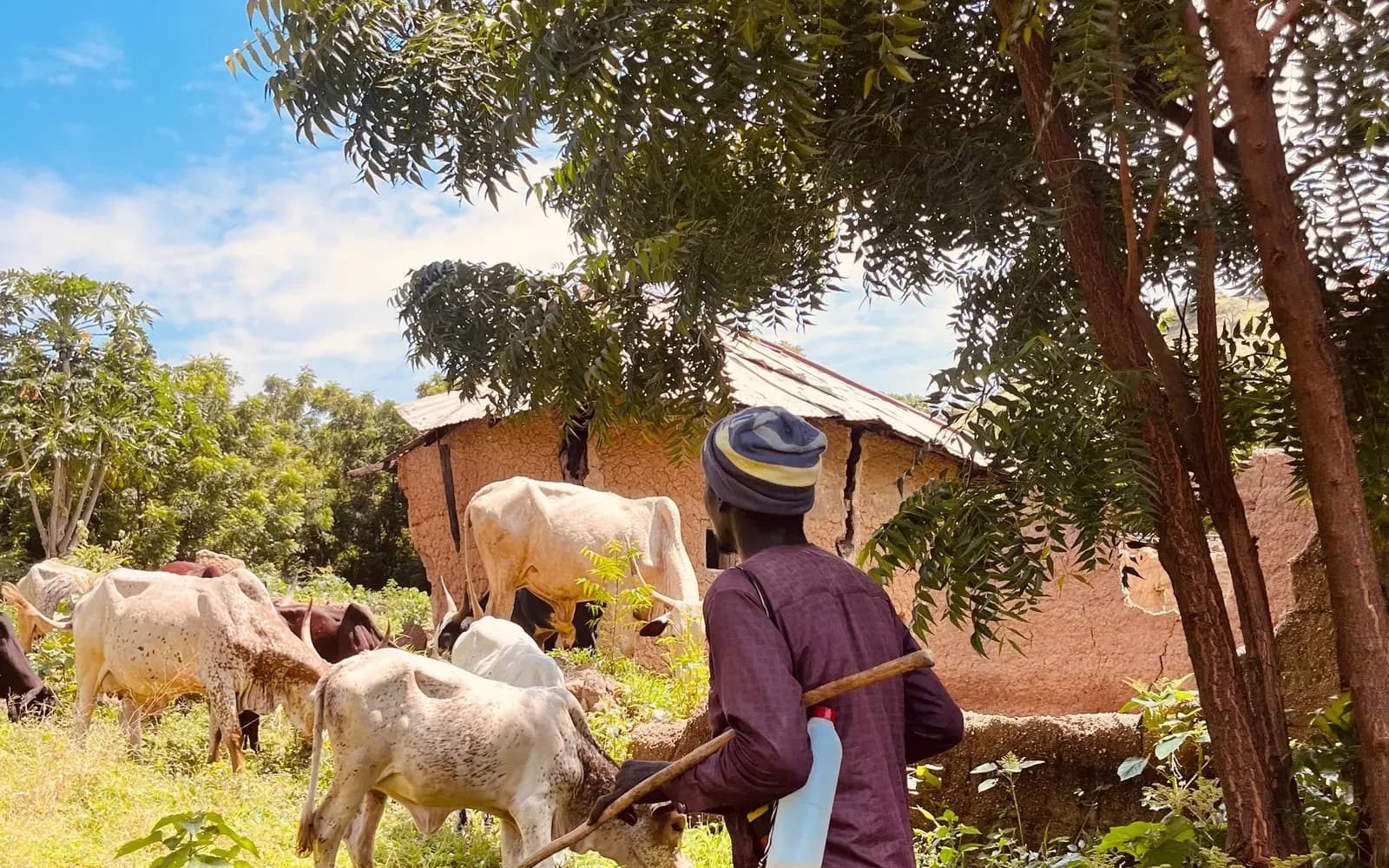
Livestock, the real engine of Chadian growth
In the second quarter of 2026, Chad's economy accelerated thanks to livestock and food crops, while extractive activities declined. A useful reminder: the country's wealth is not just oil.

Expensive oil, sluggish growth: the CEMAC paradox
Oil is more expensive, yet the zone's growth is not taking off. Why does a largely oil-producing region benefit so little from higher prices?

BVMAC: will the BGFI effect inspire Chadian companies?
BGFIBank group's stock market listing gave the regional financial market a real boost. The challenge now is to build on it: attract new companies, including Chadian ones, and keep trading alive.