

The qualities of a good leader according to Marshall
General George C. Marshall had a very clear idea of what he looked for in officers. His seemingly ordinary list deserves a closer look.
Translated from French. Lire en français

Did General George C. Marshall keep a “little black book” listing promising officers so he could remember them for future promotion? Some believe it is just an army myth. No such notebook has ever been found, and no document proves it existed. Yet Marshall had a very clear idea of the qualities he was looking for when he promoted officers.
His views on what makes a good leader had a great impact on the generals appointed during the Second World War, and on how the army thought about the role of general for decades. In a letter written in November 1920, shortly after becoming aide-de-camp to General John Pershing, the army chief of staff, George C. Marshall listed the qualities of an effective leader in the following order:
- “good common sense”;
- “knowing your profession”;
- “being physically strong”;
- “being cheerful and optimistic”;
- “displaying marked energy”;
- “being extremely loyal”;
- “being determined”.
At first glance the list does not seem remarkable — more worthy of a boy scout. But it deserves a closer look. Drawing on lessons from the First World War, Marshall valued vigour and explicitly ruled out older officers, especially the “château general” who rarely left the comfort of his quarters to fight in the trenches alongside his troops. Marshall prized the man who wants to be at the heart of the action.
Character over intellect
Marshall preferred people of character to intellectuals — and quite consciously so: he adapted his model to circumstances specific to the United States. A calm, pessimistic man might suit other armed forces, he said, but not a democratic nation which, protected by the world’s two great oceans, tends to follow a “policy of unpreparedness” for war.
Because of this tendency always to send poorly trained and poorly equipped units into demoralising battles, he decided that American officers must be “optimistic, resourceful people, able to size up a situation quickly with unwavering determination, and who also have a great deal of common sense — very useful to avoid big mistakes when decisions and actions must be quick”.
The opposite kind of leader, who dwells on the negative, must be removed quickly, according to Marshall. Units led by these “calamities”, he wrote with visible disgust, are “soon infected by their gloom and become ineffective until another commander is appointed”.
Marshall’s list is also telling for what it leaves out. He had mixed feelings about brawlers and dashing cavalry officers. He wanted generals who fight, not men who are reckless in command or who bring the army into disrepute through their personal conduct. “Sometimes a great victory is won by a magnificent action,” he once said. “But often, most often, a magnificent action exposes the army to a fatal outcome if it does not win. And you risk everything by that choice.”
- Published on:
- Wednesday, 1 October 2014
Related articles

Ernst & Young pursues its corporate citizenship mission with new training sessions
In N’Djamena and then Douala, the firm unpacked the 2025 Finance Act for executives, finance directors, accountants and management controllers.

Total opens new service stations
With three new stations in Hamama, Bongor and Ndjari, Total Marketing Chad brings its network to 12 stations, with 16 targeted by year-end.
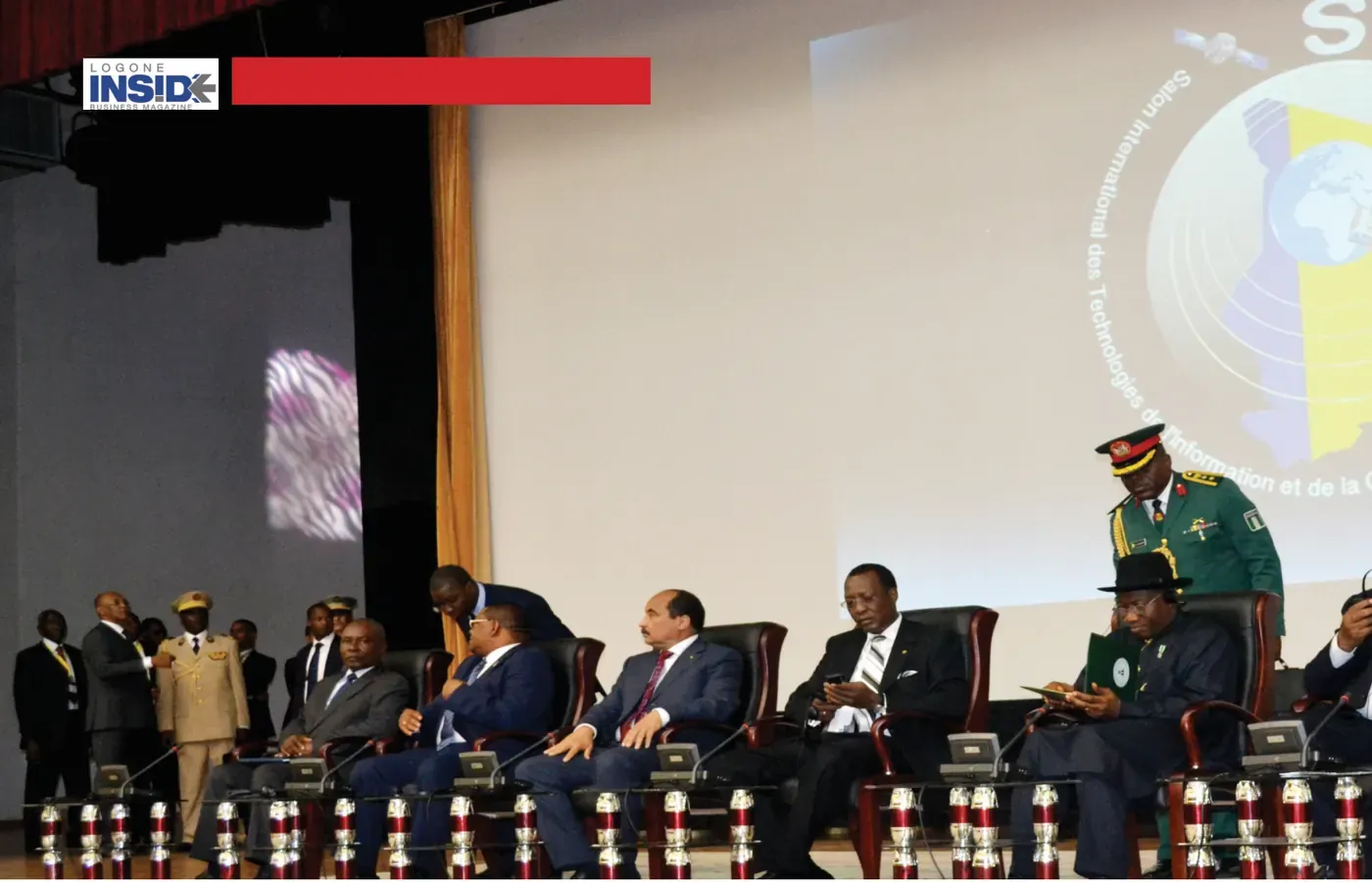
Chad: emergence via the information superhighway
The first International ICT Fair (SITIC), held in N’Djamena from 9 to 12 September 2014, brought together many heads of state and international institutions.

Advertising and creativity: when it works and when it fails
Do creative ads persuade consumers to buy better than those that simply list a product’s features? A look at what creativity really means.