
Is credit finally getting cheaper in Central Africa?
The average cost of bank loans is falling in CEMAC. Good news for investment, but it hides wide differences from one country, and one borrower, to the next.
Translated from French. Lire en français
An average rate below 11%
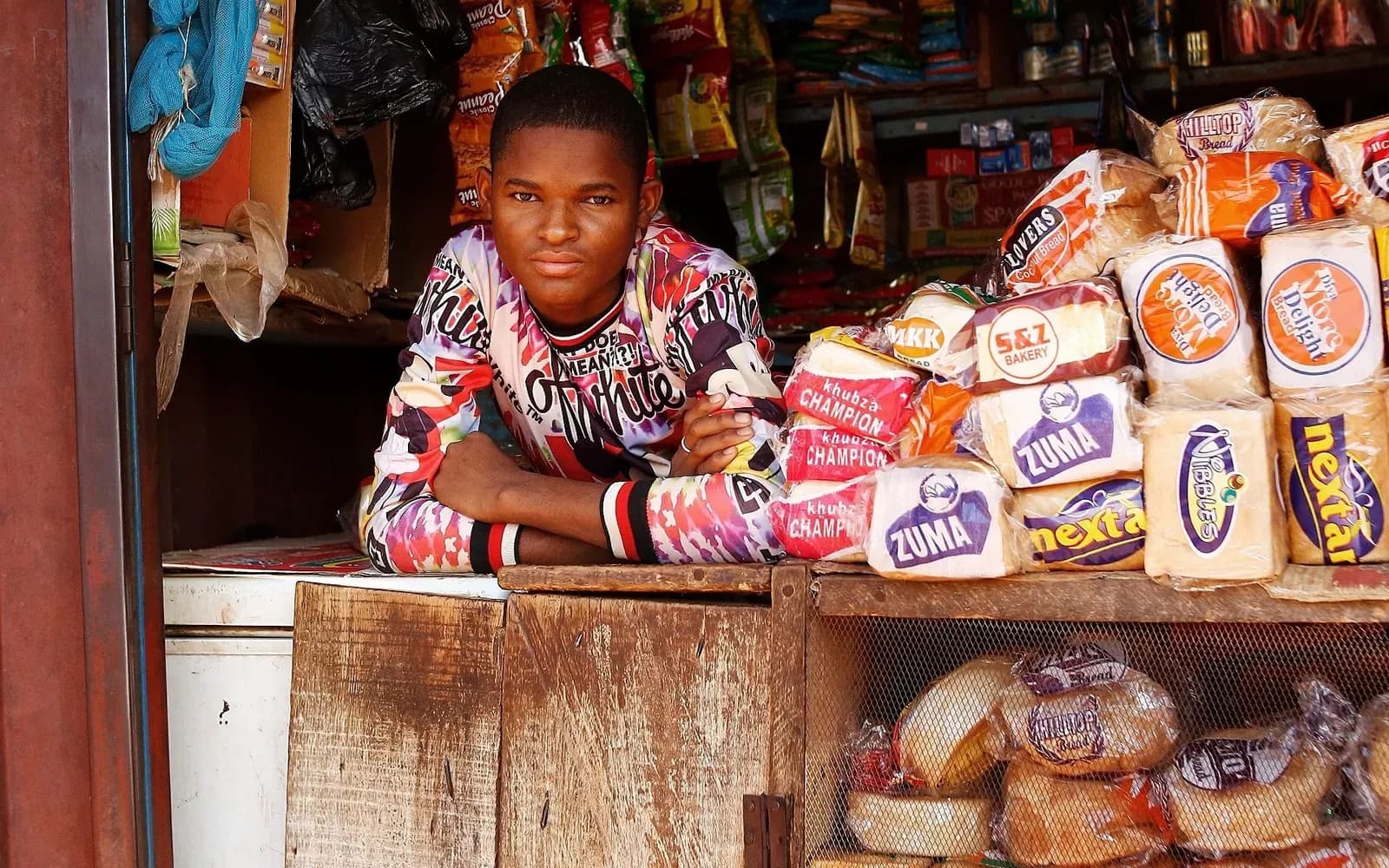
The annual percentage rate of charge (TEG in French) measures the real cost of a loan: it includes interest, but also fees and commissions. In the second quarter of 2026, the average rate charged by CEMAC lenders stood at 10.94%, down from previous quarters.
The decline comes as the BEAC has eased monetary policy. In July, a few weeks after the June rate cut, the central bank injected about 940 billion FCFA into the banking system over two weeks to ease liquidity.
An average that hides gaps
Behind this regional figure lie wide national disparities. The cost of credit varies with the country, the size of the business, the length of the loan and the collateral offered. Large companies, seen as less risky, generally get better terms than SMEs or individuals.
For small Chadian businesses, access to credit is often the first obstacle: high collateral requirements, incomplete accounts, slow processing of applications. A falling average rate is not enough to remove these barriers.
What to watch
Three factors will show whether the trend holds. First, whether monetary easing continues at the next MPC meetings. Second, whether banks turn the extra liquidity into new loans rather than investments in government securities. Third, better tools for sharing information on borrowers, which reduce risk and therefore the price of credit.
For businesses, this may be a good time to renegotiate their financing terms or prepare investment projects, comparing offers from several lenders.
Key figures
- Average CEMAC lending rate (TEG) in Q2 2026: 10.94%
- Liquidity injected by the BEAC in July 2026: about 940 billion FCFA in two weeks
- Policy rate (TIAO): 4.50%
- Published on:
- Wednesday, 28 October 2026
Related articles

One QR code to pay in six countries: GIMAC's quiet revolution
Paying a merchant with your phone, whatever your operator or bank, in any CEMAC country: that is the goal of the reforms led by the BEAC and GIMAC. Where do things stand, and where does Chad fit in?
Livestock, the real engine of Chadian growth
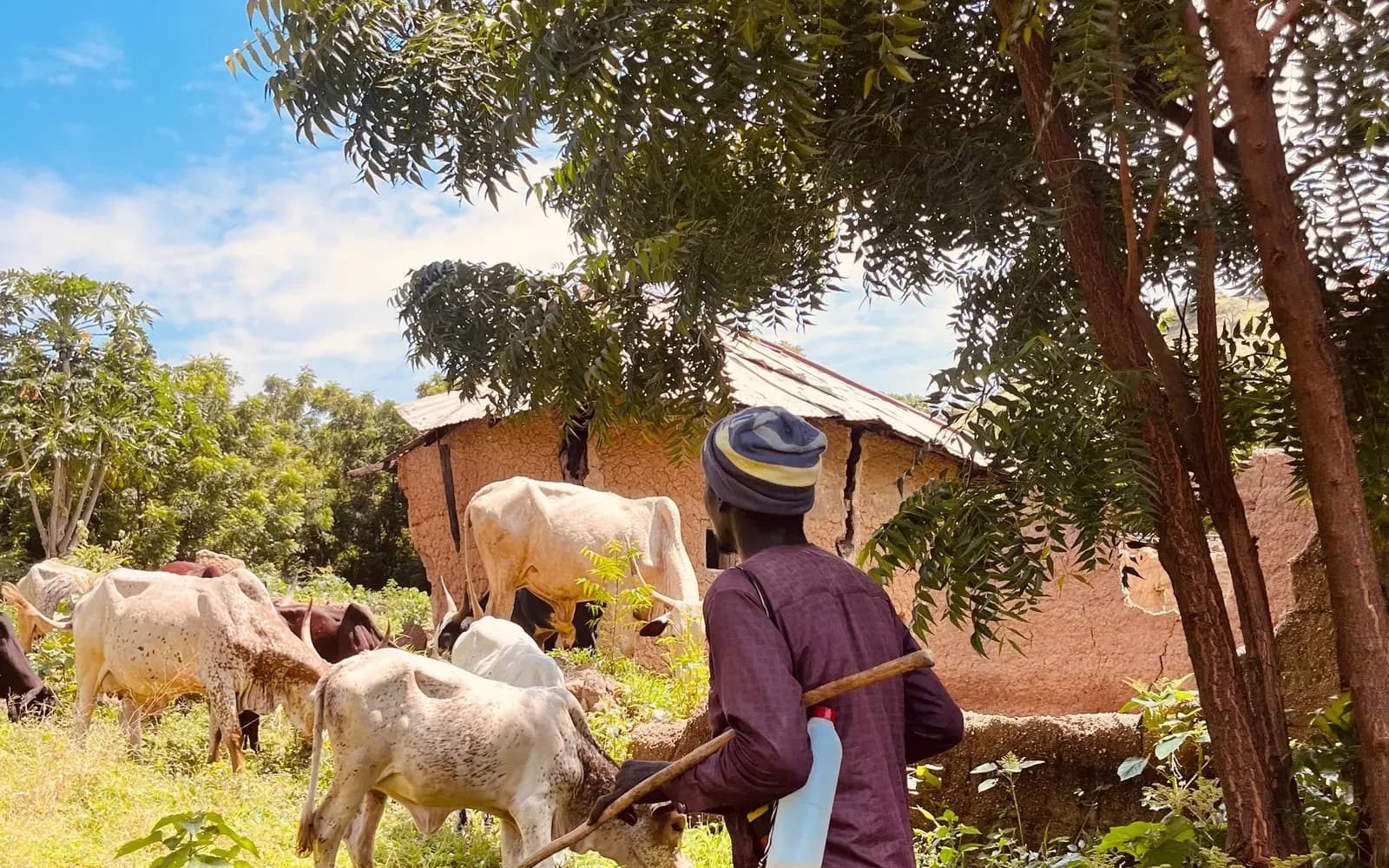
In the second quarter of 2026, Chad's economy accelerated thanks to livestock and food crops, while extractive activities declined. A useful reminder: the country's wealth is not just oil.
Expensive oil, sluggish growth: the CEMAC paradox
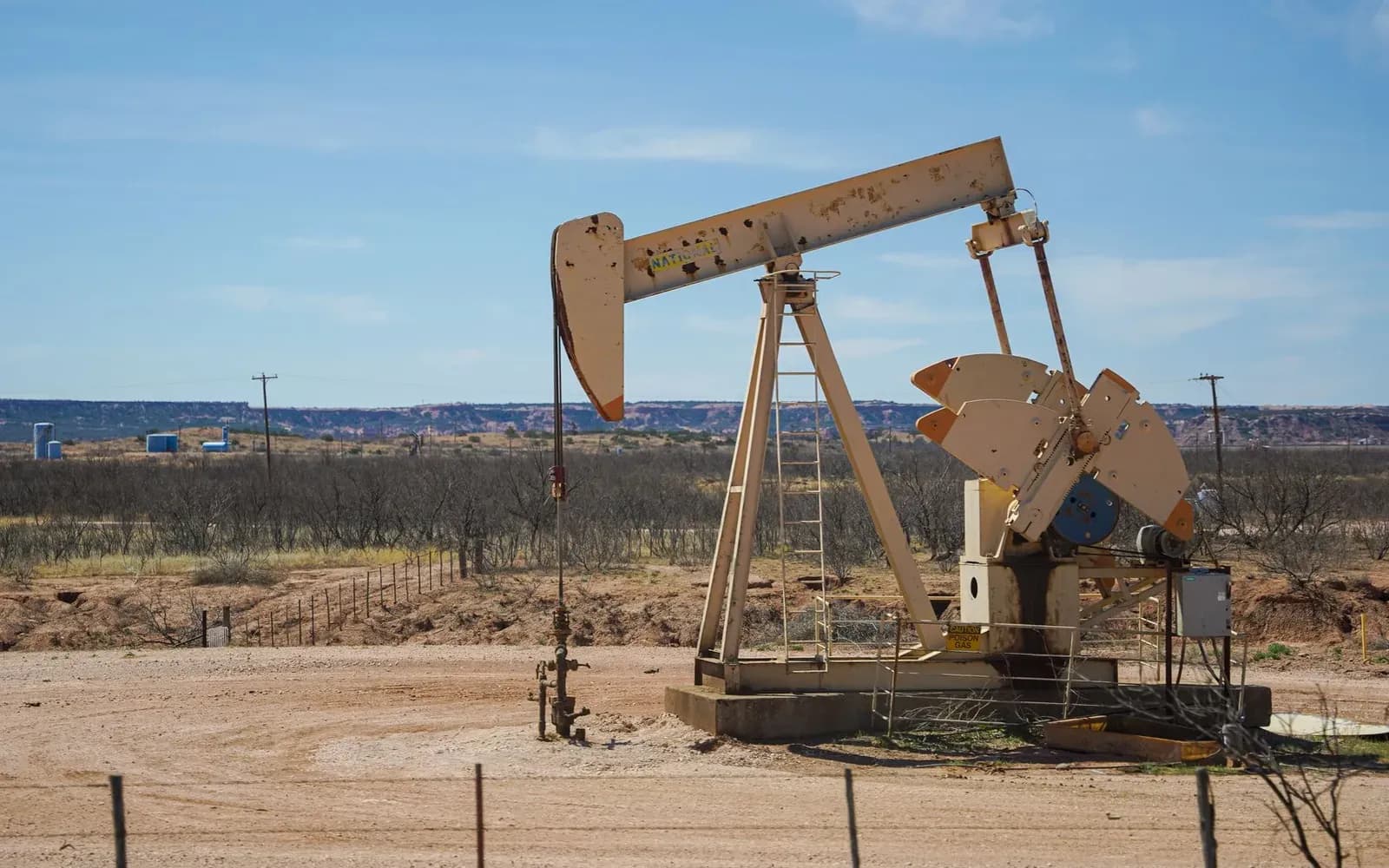
Oil is more expensive, yet the zone's growth is not taking off. Why does a largely oil-producing region benefit so little from higher prices?

BVMAC: will the BGFI effect inspire Chadian companies?
BGFIBank group's stock market listing gave the regional financial market a real boost. The challenge now is to build on it: attract new companies, including Chadian ones, and keep trading alive.