
Meeting Pascal Lamy — World trade: the numbers don’t add up
The former WTO Director-General argues for a revolution in how international trade is measured: in value added, not every time goods cross a border.
Translated from French. Lire en français
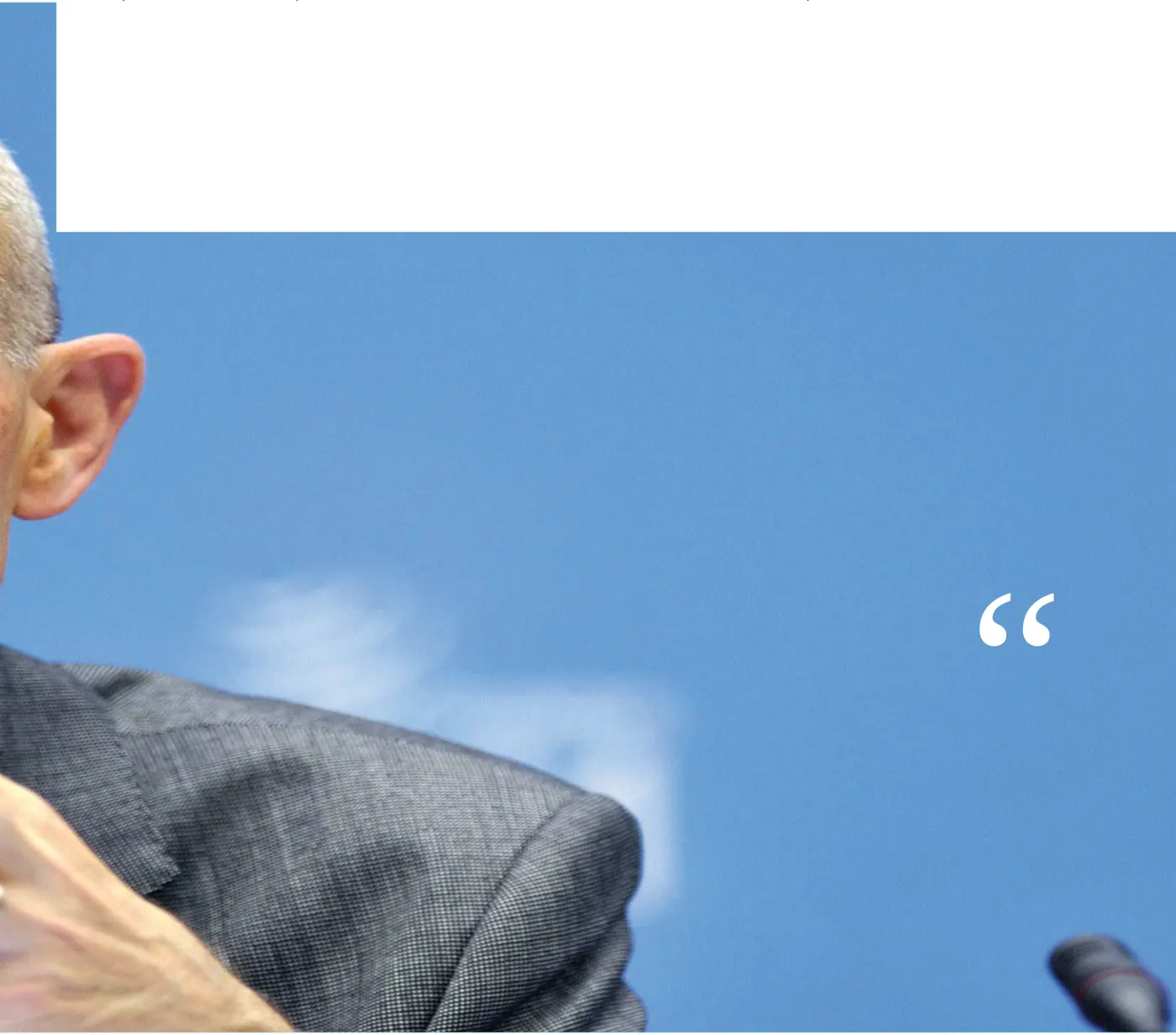
Pascal Lamy, born on 8 April 1947 in Levallois-Perret, is a French politician. He was Director-General of the World Trade Organization from 1 September 2005 to 31 August 2013. Logone Inside went to meet him.
What do you think of how the internationalisation of trade is measured?
When I was Director-General of the World Trade Organization (WTO), I proposed a revolution in the way we measure international trade, an important indicator in modern economies. Since the Middle Ages, international trade has been measured by adding to the counter each time a good or service crosses a border. That fits an economic model in which something is produced in one country and consumed in another, so the export from the first to the second counts as international trade. That world is gone.
Today we live in an economy where production chains for goods and services are increasingly fragmented and spread across different territories — where everything is made a bit everywhere. Roughly two-thirds of international trade, in goods or services, consists of trade in components, in “pieces” of products.
In these conditions, continuing to count international trade every time something crosses a border, as in the past, leads to statistical absurdities. Take an example: a car worth 100 is produced in one country and exported to another. That makes 100 of international trade. Today, that car is produced in five different countries, each supplying parts of the engine, the body, the electronics and so on. Let us assume each stage adds 20% of the value.
If you keep recording trade the old way, you get 20 of international trade for the first exporting country; the second adds 20 of value and exports 40, then 60 for the third, then 80, and so on. In the end you record 300 of international trade… for a car still worth only 100! Counting this way inflates the volume of international trade relative to production and distorts our picture of the economy. Real production is the value you add at each stage. That is exactly how each country’s gross domestic product (GDP) is measured — as the sum of value added. We must do exactly the same for international trade.
Today we live in an economy where production chains for goods and services are increasingly fragmented and spread across different territories — where everything is made a bit everywhere.
At the WTO we spent two or three years, with the OECD, producing the right figures for a few years. The results are surprising. Measured the way we have done since the Middle Ages, about 60% of international trade is in goods; measured in value added, about 60% is in services. That broadly matches what we know of modern economies: services make up most of production.
Another example: the bilateral trade balance between the United States and China. For a US trade deficit of 100 with China, the deficit falls to 55 when calculated in value added. Why? Because an iPad assembled in China and entering US imports at, say, 800 dollars contains only about 40 to 50 dollars of Chinese value added. When Americans import an iPad, they are re-importing American value added that was exported to China: all the engineering, patent royalties and design.
A final illustration: worldwide, the average import content of exports — how much you need to import in order to export — was 20% twenty years ago; it is 40% today. In other words, the old mercantilist idea that “exports are good and imports are bad” is dying. The countries that add the most value to their economies through international trade are also the ones that import the most.
- Author:
- Laure Wakam Lewe
- Published on:
- Wednesday, 1 October 2014
Related articles

Ernst & Young pursues its corporate citizenship mission with new training sessions
In N’Djamena and then Douala, the firm unpacked the 2025 Finance Act for executives, finance directors, accountants and management controllers.
Total opens new service stations
With three new stations in Hamama, Bongor and Ndjari, Total Marketing Chad brings its network to 12 stations, with 16 targeted by year-end.
Chad: emergence via the information superhighway
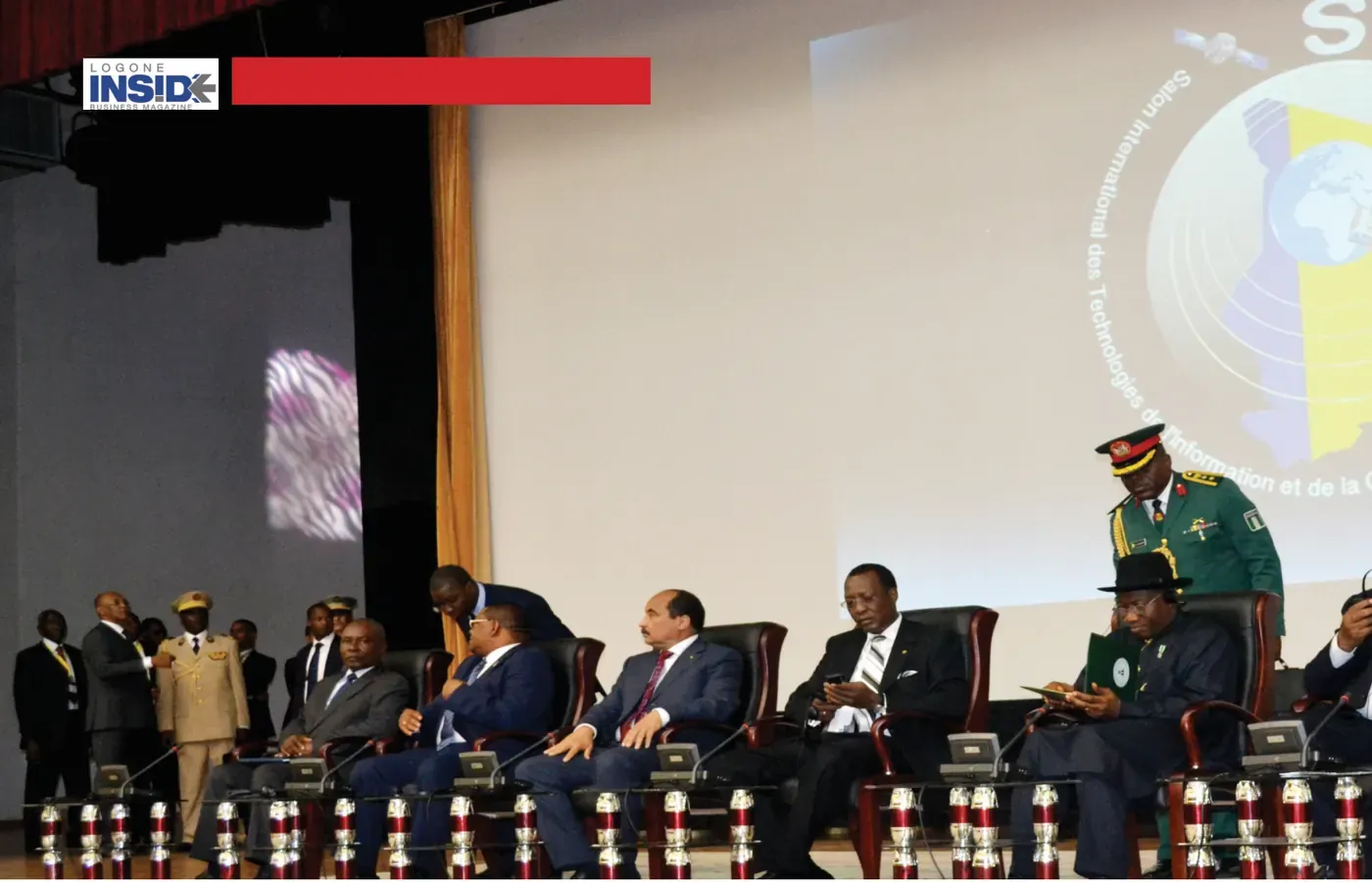
The first International ICT Fair (SITIC), held in N’Djamena from 9 to 12 September 2014, brought together many heads of state and international institutions.
The qualities of a good leader according to Marshall
General George C. Marshall had a very clear idea of what he looked for in officers. His seemingly ordinary list deserves a closer look.